Guidance for LGBTQ+ students abroad
3 min read
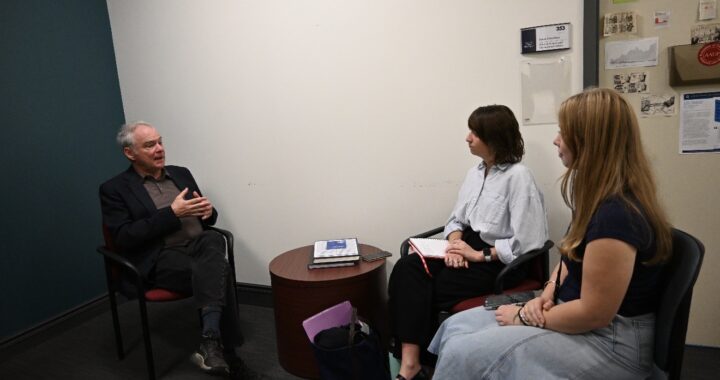
UMW offers numerous study abroad opportunities that aim to enrich both academic and personal growth. | Abbey Magnet, The Weekly Ringer
by YZABEL ILAO
Staff Writer
On his first day in office, President Donald Trump signed an executive order that states the federal government will only recognize biological sex assigned at birth. In compliance, the U.S. Department of State no longer processes passport applications with the gender marker “x,” which is used to indicate nonbinary or intersex identity, and now requires transgender individuals to use the sex they were assigned at birth on all future passport applications.
The State Department affirms that, “All passports – including those with an X marker or those listing a sex different from your sex at birth – will remain valid for travel until their expiration date…As long as your current passport has not expired, there are no restrictions to use the passport, unless another country has limitations.” Still, these changes have added additional stress for some transgender and nonbinary students who intend to study abroad.
The UMW Center for International Education, which assists students as they navigate study abroad options, maintains an LGBTQ+ Abroad Resource webpage that helps guide students inquiring about travel and outlines factors to consider when preparing to go abroad. The site provides links to additional resources, but following the executive order, some of the featured government links are outdated, such as a defunct link to the TSA Transgender Passenger Information.
According to Caitie Cavalier, an education abroad coordinator with the Center for International Education, students can receive personalized advising and are encouraged to reach out directly with specific questions.
“This guidance includes discussions on cultural attitudes toward gender diversity in prospective host countries, local laws and safety considerations, and assistance in selecting inclusive programs,” she said. “Early disclosure of one’s gender identity to the student’s education abroad advisor is encouraged to facilitate tailored support, such as coordinating appropriate housing arrangements and connecting students with in-country resources.”
According to Human Rights Watch, an international non-governmental organization that advocates human rights, “At least 67 countries have national laws criminalizing same-sex relations between consenting adults. In addition, at least nine countries have national laws criminalizing forms of gender expression that target transgender and gender non-conforming people.”
Of those 67 countries, UMW offers study abroad opportunities in six: the United Arab Emirates, Samoa, Cameroon, Kenya, Ghana and Morocco. However, UMW student abroad guidance recommends that gender non-conforming students must also consider how gender expression is culturally perceived in countries that may not have explicit anti-LGBTQ+ legislation.
“It is critical that LGBTQ students research and identify education abroad programs that are a good fit for their personal, academic and cultural goals, but also try to ascertain what it means to be LGBTQ in that host country,” the LGBTQ+ Abroad Resources webpage says.
The combination of thorough independent research, guidance from study abroad coordinators and from peer advisors can help support students as they navigate the process.
“We also want students to know that, while we are most certainly available for guidance and support, we want to empower students to take ownership of their experience,” said Sarah Moran, assistant director of the Center for International Education. “Any student going abroad should understand how aspects of their identity will affect their experiences. We hope that through their program selection they have considered all of these factors well ahead of time in an effort to mitigate risk and have the most enriching experience possible.”