Students are spooked by these UMW superstitions
3 min read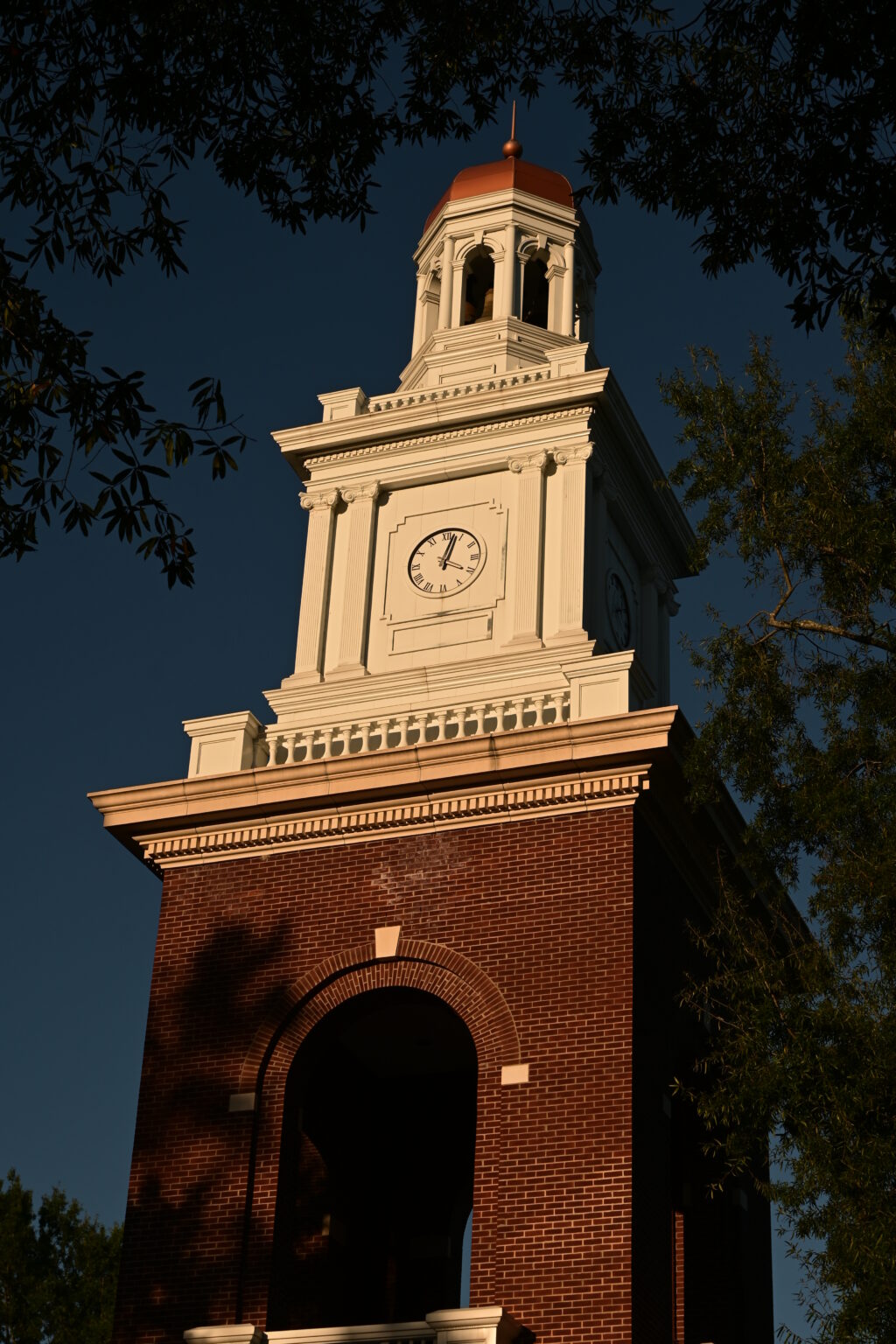
UMW’s historic legacy creates the perfect backdrop for hauntings. Ghost stories make the rounds in every eagles conversation around this time of year. | Anna Goodman, The Weekly Ringer
GRACE WAGNER
Associate Editor
Would you consider yourself a superstitious person? Well, at Mary Washington, you might not have much of a choice.
UMW’s campus is riddled with superstitions and traditions for students to sink their teeth into. From the somewhat cursed crest in James Farmer Hall to the nearly cult-like Eagle Gathering, these superstitions and traditions are hard to escape.
“I have heard of so many weirdly specific superstitions here,” said junior religious studies and physical therapy double major, Theresa Oetgen. “The most famous one has to be the cursed seal in Farmer.”
UMW legend has it that if you step on the seal in the main entryway of James Farmer Hall, you won’t graduate on time. The more cynical believers say you won’t graduate at all.
“I see people step on the seal all the time and I can’t imagine everyone’s graduation is getting delayed,” said Coni Vigna, a junior marketing and communication and digital studies double major. “But still, I would never do it myself.”
While superstition and tradition can be linked, and UMW is rich in both, they are quite different in their own right.
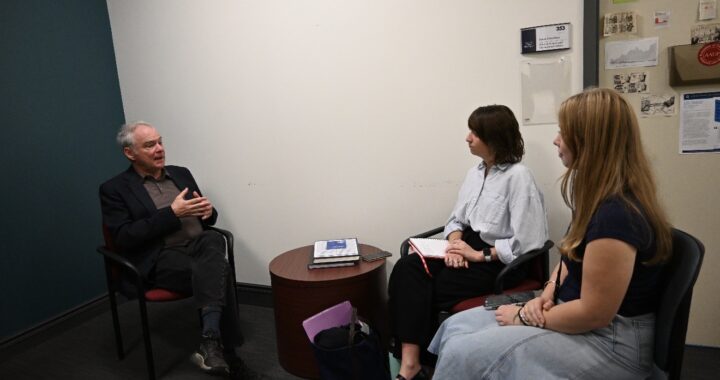
“Traditions are activities that are passed down that have meaning. Superstitions are activities that are designed to provoke a favorable response,” said religious studies professor Mary Beth Mathews. “It’s got intrinsic value to it, whereas traditions like Eagle Gathering or the way that we do honor convocation, those are meaningful in their own right, but don’t necessarily carry a punishment or reward.”
A well-known tradition at UMW is to jump in the fountain outside of Monroe Hall before you graduate. While this seems like a simple Mary Wash custom, many students have looped in their own superstitions to this soggy ritual.
“In my friend group, we jump in once a year to ensure the effects don’t wear off,” said junior, political science and English double major Allie Schwartz. “I don’t really know what the effects are, but at this point we just have to keep it up.”
While many traditions and superstitions here can be lighthearted, some others can be a bit spooky.
It may not be talked about very often on campus, but Fredericksburg is filled with ghost sightings. The city dates back to the early 1700s and was home to a number of Civil War battles during the 1800s, leaving many locals to believe that the city is haunted.
Brompton House is the official home of UMW’s president, Troy Paino, but in its past, it served as Union Hospital during the Battle of the Wilderness in 1864, according to the University of Mary Washington website. A famous picture of the house during that time shows soldiers’ severed limbs piled under a tree that still stands to this day, leading many locals to believe that the tree limbs resemble the body parts left there.
Other haunted hot spots on campus are older residence halls like Westmoreland, Virginia and Willard Hall.
“I lived in Westmoreland Hall my freshman year and there would be doors that would randomly shut and I had friends there who told me about objects being moved when no one was near them,” said junior communication and digital studies major Olivia Kern. “It honestly really freaked me out, so I am glad I don’t live there anymore.”
Being the oldest residences at UMW, dating back to 1911, these buildings are hosts to the most ghost sightings on campus.
Spookiness aside, these superstitions and traditions are a part of UMW’s culture and no matter how lighthearted they are, they still hold meaning.
“I think the superstitions are important to UMW because we’re such a tight-knit community,” said Vigna. “The superstitions and traditions are similar to inside jokes in a friend group. We bond over the superstitions, too.”
No matter if you believe in any of these UMW customs, they are still a part of your time here.
“These things bring us closer together as a community,” said Lily Hoffman, a junior environmental sustainability and policy major. “It gives us something to remember as alumni and traditions can be one of the things we remember best.”