YDSA makes emergency contraceptive free for students on campus through the Student Health Center
4 min read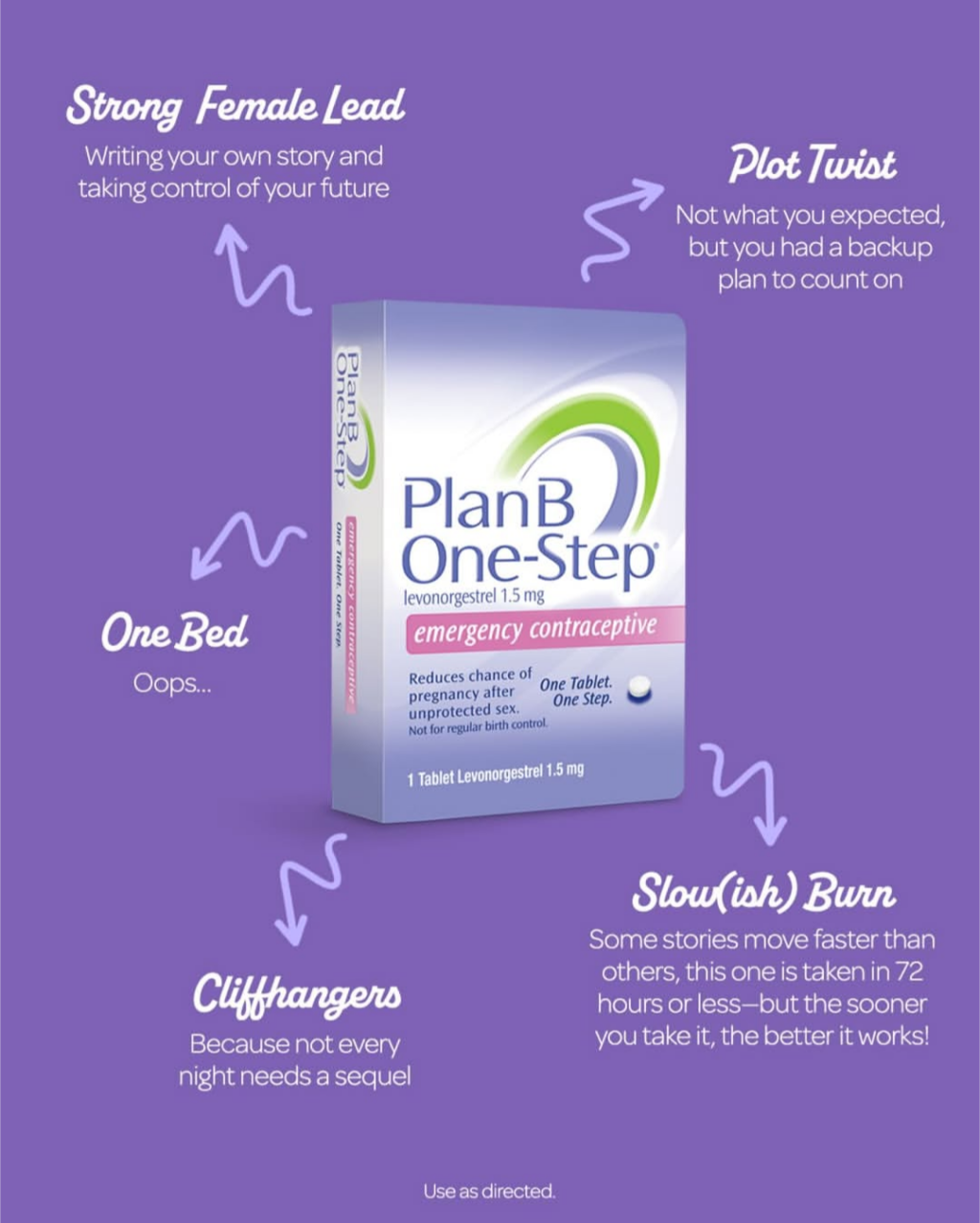
The popular grocery store chain Trader Joe’s is set to open a location in Fredericksburg, close to the UMW campus. A date for the store’s opening has not yet been confirmed. | Thomas Marques, Unsplash
by ONNOLEE SLATEN
Staff Writer
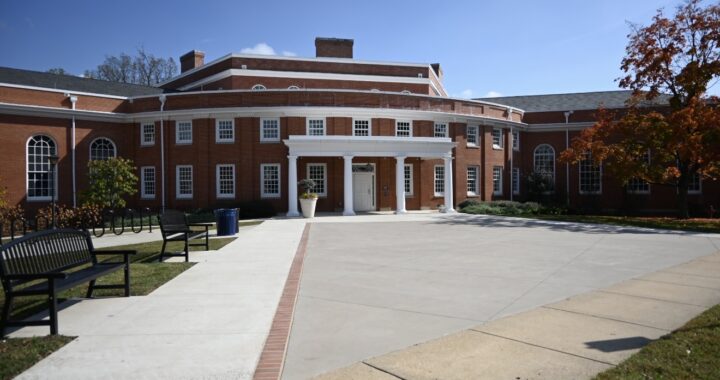
The Young Democratic Socialists of America UMW Chapter, a political activist organization on campus, has made the emergency contraceptive “Levonorgestrel” available for free at the UMW Student Health Center on the first floor of Lee Hall.
Levonorgestrel—which is more commonly associated with its name-brand counterparts such as Plan B, My Way and AfterPill—is a contraceptive pill used to prevent pregnancy after unprotected sex or failure of another birth control.
Kimba Pasch, a sophomore biomedical science and psychology double major, is the treasurer of the YDSA and spearheaded this project.
According to Pasch, the new initiative was inspired by fears that the contraceptive would be harder to access under the Trump administration policy.
“After the Trump election, I knew a lot of people who were scared about their access to contraceptives,” Pasch said. “Fulfilling that need for people is what sparked this project.”
Before this program was able to cover the cost, receiving emergency contraceptives from the Student Health Center would cost about $12 per pill. Name-brand Plan B from an off-campus pharmacy would cost between $40 to $50 per pill.
Pasch shares their excitement to implement this plan on campus.
“It’s a very new kind of concept for a lot of universities,” Pasch said. “There aren’t very many campuses in the entire country that have completely free Plan B programs.”
To fund this initiative, YDSA tabled in the Cedric Rucker University Center for a week to ask for donations.
YDSA Secretary Shane Maguire, a sophomore philosophy: pre-law major, said tabling was hugely successful for the club.
“We managed to completely shatter our expectations of fundraising,” he said. “On our own, we managed to raise about $3,500 from tabling. For a week, anytime I had free from working and class, I was at the table.”
Along with these funds, the organization had received $400 from Eagle Funding.
“We could fund this easily with the money we had,” Maguire said. “This would be a service for students on campus.”
Once the money was received, it took YDSA more than a year to launch the project.
“It was wishful thinking that this should be a generally smooth process, but sometimes there can be bumps in the road. There were a lot of different back steps in this, that is why it took so long,” said Pasch.
According to Pasch, the general response from the student body has been positive.
“Every student that finds out we’re doing this initiative has been super excited,” they said. “No matter what side of the political aisle you’re on, generally, most people identify pregnancy prevention as important. Emergency contraceptives are a really important part of pregnancy protection.”
Maguire added that the support from students was what made the fundraising so successful.
“You know what really enabled this was the amazing outpour of support from the community when they heard about what we were doing,” he said.
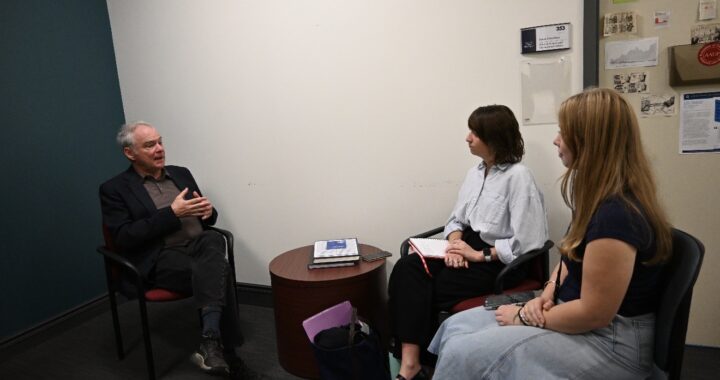
The YDSA collaborated with Dr. Nancy Wang, director of the UMW Student Health Center, in order to make this possible.
“She’s an amazing doctor, and a lovely person,” Pasch said. “We worked with the Student Health Center to see the legal statutes of doing a project like this. We made sure to have their support in order to ensure security and that people are getting their medication properly.”
“There are many benefits of making Plan B more accessible, e.g., the provision of cost-free emergency contraception at the SHC addresses affordability, which in turn, addresses health inequality,” Wang said.
Students can access the contraceptives during the health center’s operating hours, Monday through Friday from 8:00 a.m. to 5:00 p.m.
“It’s a very simple process of going through that, so it’s fully open to anybody at this point,” Pasch said.
Pasch and the YDSA aim to make this process even easier and more accessible by installing a vending machine for these products available to students outside the Student Health Center’s operating hours.
When asked about what to do when emergencies occur outside of the Health Center’s Office hours right now, Pasch explains, “with emergency contraceptives, the sooner you can get it and take the medication, the better. Generally, after 24 to 72 hours depending on the medication, it can start dropping in effectiveness very quickly.”
“A lot of what we do is about accessibility,” Maguire said. “We want Plan B to be accessible 24/7 for as cheap as possible, which means free. If something happens on a Friday night, you’re not locked out of anything.”
Beyond emergency contraceptives, the Student Health Center and the self-care room on the first floor of Lee Hall have free health products, including condoms.
“I really hope this can benefit a lot of people on campus and help people have more security in their day-to-day lives, especially in more troubling times that people face,” Pasch said.