Photo Essay: A guide to Fredericksburg bird-watching
5 min read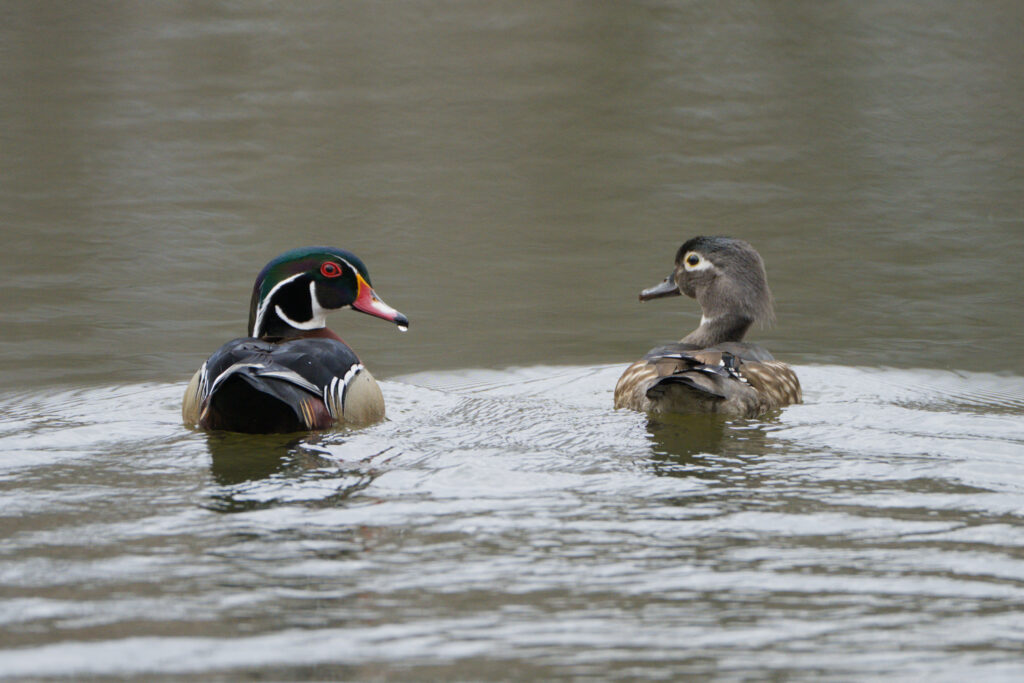
With the proper tools any student can begin to explore the world of birds. Whether it’s osprey, eagles or wood ducks, students can marvel at Fredericksburg’s local ecology and enhance your ability to identify birds. | Violet Ayers, The Weekly Ringer
by VIOLET AYERS
Photo Editor
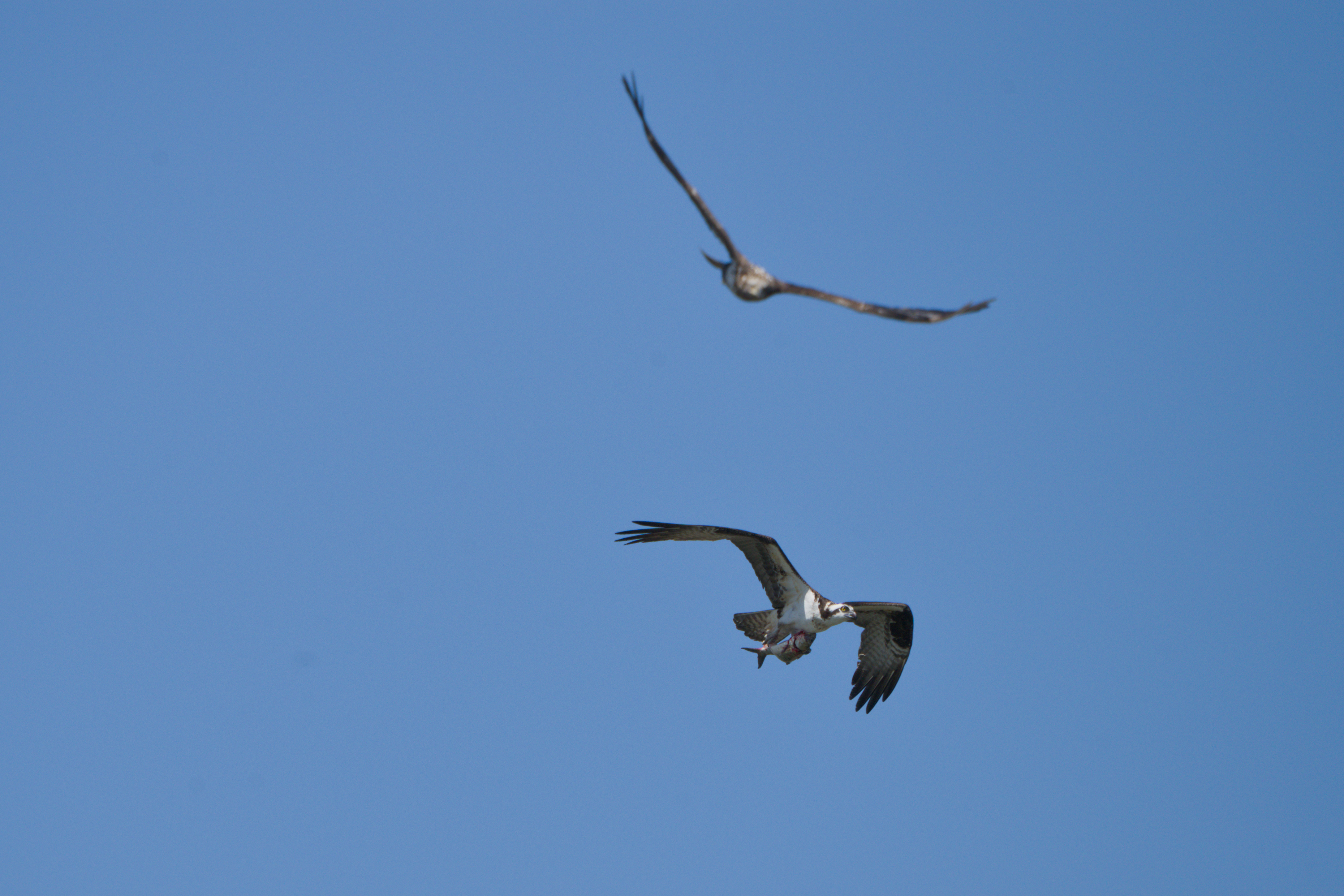
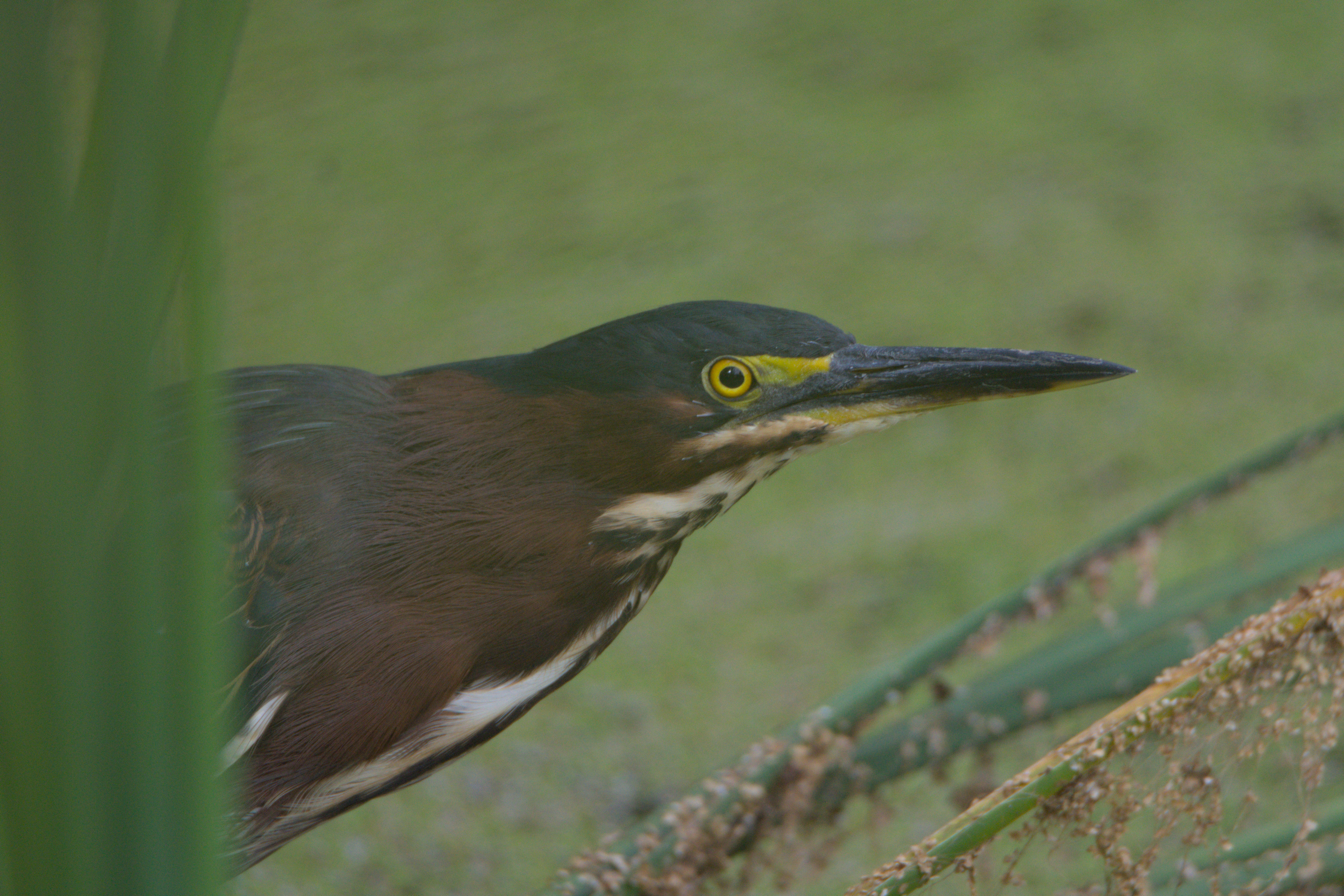
The other day, I was down by the canal, hoping to catch an early glimpse of green herons, when I heard a commotion above me. I looked up, and there I saw two bald eagles, a juvenile and an adult, engaged in an aerial assault on a lone osprey carrying a fish. The osprey tried its hardest, dodging and weaving, trying to evade the ruthless eagles while tightly grasping its catch. The eagles were persistent, close on the osprey’s tail. Finally, the osprey gave way, dropping its catch.2
This is one of the many exciting moments I’ve witnessed while bird watching.
As spring descends upon us, birds abound. With the ospreys returning to the river, scenes like this happen more and more. There’s no better time than now to start looking for birds in the Fredericksburg area.
What do you need?
At its most basic level, birding is simply the act of observing birds in nature. No specialized gear is needed to do this, although it can be made easier. Some form of magnification, such as a pair of binoculars or a scope, can make identifying faraway birds much easier.
Additionally, identifying birds in the first place can be quite difficult. Personally, I’m a big fan of physical, illustrated field guides such as the Peterson Field Guide to Birds of Northern and Central North America by Roger Tory Peterson or the National Geographic Field Guide to Birds of North America by the National Geographic Society.
If you don’t want to carry a book around in your pocket, you can use Merlin–an app created by the Cornell Lab of Ornithology. This app acts as a field guide, which allows one to browse a list of local birds and provides an easy-to-use identification tool that filters down the possible birds you might have seen.
Additionally, Merlin provides a “sound ID” tool, which can identify bird calls from an audio recording. I would caution that this tool is perhaps not the most reliable, as some species have very similar calls and others love to mimic the calls of unrelated species. For instance, on multiple occasions, I’ve observed blue jays making red-shouldered hawk calls in Fredericksburg.
Another tool that I personally find to be very useful is a camera. Birds love to move around, and identifying them in the field can be tough. Getting a clear picture of a bird can allow you to identify it when you get home.
Additionally, you can upload your pictures to sites like iNaturalist, where others can look at your picture and offer suggestions on what species you observed.
Unfortunately, a good camera setup, especially one for birding, can be quite expensive. Phone cameras can sometimes suffice, particularly with large birds, but getting close enough to get an identifiable picture can often be hard.
If you own a pair of binoculars, a classic birder trick is to hold your phone camera up to them, providing extra magnification. If you’re particularly committed, you can rent a camera kit along with a 75-300mm lens from the Hurley Convergence Center for free, which should allow for pretty decent bird photos.
Where do you find birds?
You can find birds practically anywhere, but some spots might be a bit better than others. Personally, I like to look for the more wooded areas of campus.
I’ve had pretty good luck in the woods between Monroe Hall and Seacobeck Hall, the woods next to Pollard Hall and the woods behind Willard Hall.
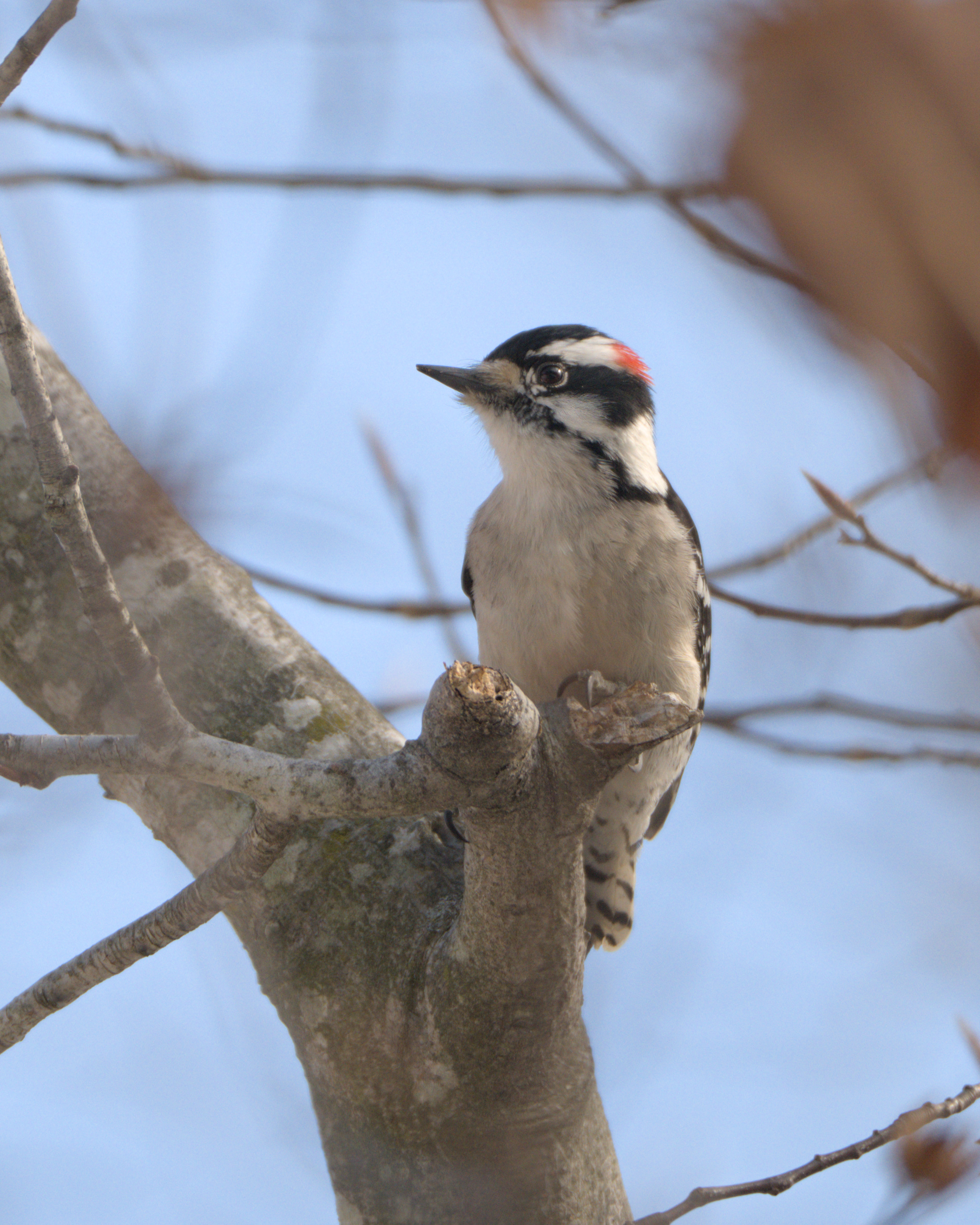
By far my favorite spot to find birds on campus is the woods behind the HCC. They have a nice little path running through them, along with a lot of brush and trees for birds to hang out in. I’ve seen a fair number of relatively uncommon birds back there, such as fox sparrows, a golden-crowned kinglet and a winter wren.
While the UMW campus does have a lot of great spots to go birding, you’ll need to travel a bit farther to find some species. One of my favorite spots off campus is Gayle’s Pond and Old Cossey Pond, which can be found by the intersection of Madison Street and Littlepage Street.
Less than a mile away from campus, this pond has a lot to offer. Some regulars here are a flock of wood ducks, red-winged blackbirds, Canada geese and a great blue heron missing a toe. Additionally, some locals have told me that green herons will likely be nesting here in the coming weeks.
If one is so inclined, they can follow the Rappahannock Canal path down to Old Mill Park on 2201 Caroline St. A pair of red-shouldered hawks has a nest near the playground, and there are some quality forested areas, along with access to the Rappahannock River. On my last visit, I counted at least 10 osprey in the area, and I’ve been told this is a great spot to catch them diving.
Riverfront Park and City Dock Park, both located on Sophia St., are some more great spots to catch osprey. I’ve gotten great photos of osprey diving here, along with bald eagles, cormorants and great blue herons.
If you’re looking for more bird-watching locations, eBird, a site run by the Cornell Lab of Ornithology, is the best place to look. Ebird provides a map of birding hotspots, which shows you locations where a wide variety of species have been observed. You can also see what kinds of birds others have been observing in the area, and get email alerts about rare birds.