Social media is a helpful tool that exposes users to news
3 min read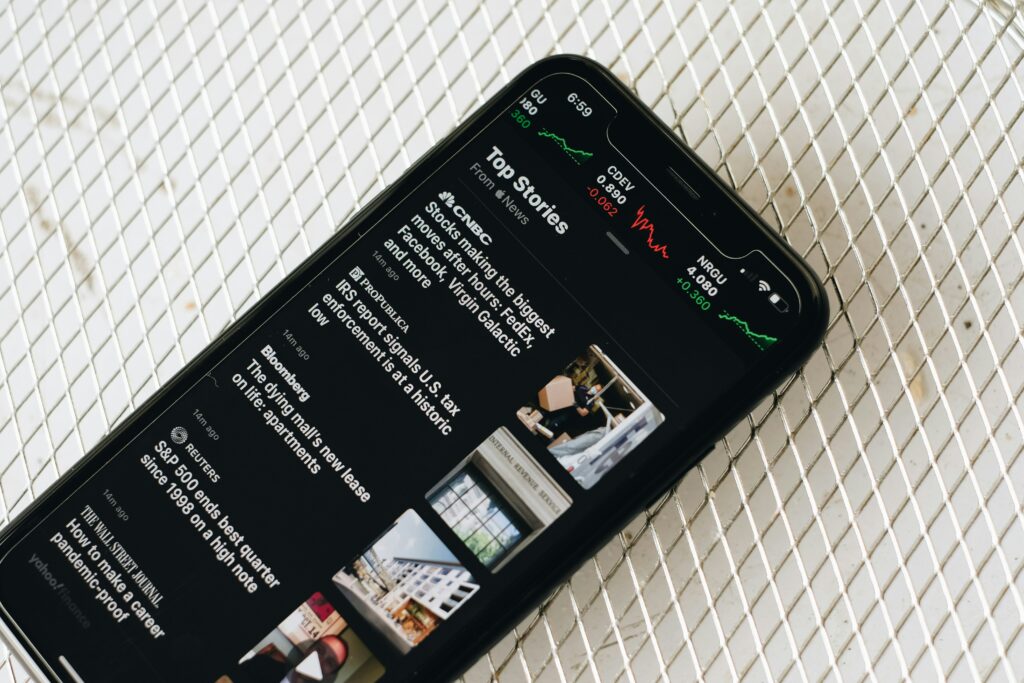
Smart phones allow easy access to news. | Fujiphilm, Unsplash
by HARSHA RAVURI
Staff Writer
It’s not a secret that social media is the most common news source for college students. It’s quick, visually appealing and way more engaging than reading a long article.
As a student at UMW, I’ve seen firsthand how social media gives young people an entry point into conversations that matter. Through TikTok, Instagram stories or even reposted infographics, students are learning about current events, forming opinions and connecting with global movements. These platforms aren’t just for entertainment, they’re a gateway to awareness and action.
I know some people argue that social media isn’t always accurate and that the algorithm rewards engagement more than truth. But that doesn’t mean social media itself is the problem. If anything, it shows why media literacy is so important. We don’t need less social media, we need to be smarter about how we use it. From what I’ve seen, many students are rising to that challenge.
I’ve become more thoughtful about the content I interact with. I double-check sources, and think more critically about what I see, and I’ve even found myself having deeper conversations with friends about current issues. Many of these conversations started because someone posted a clip or a quote that made me think. Global issues allow me to feel more connected to others when I hear about concerns directly from people who are experiencing them.
And let’s be real, after a full day of classes, readings and assignments, I don’t always have the energy to dive into a 10-page article or watch an hour-long news segment. But I do click on a compelling post or a quick video on my feed. That’s my starting point, and from there, I’ll often look deeper.
Social media isn’t just a tool, it’s a skill. And the more I use it, the better I get at navigating it. Yes, the algorithm pushes certain content, but I still get to choose what I follow, trust and engage with. Many of us are getting sharper at spotting misinformation, understanding bias and having conversations beyond just liking or sharing a post.
According to Concordia University in Nebraska, most universities have pages on platforms such as Twitter, Facebook and Instagram. Various campus clubs and activities often have an established presence on these platforms. On these pages, students can find out about upcoming events, campus news and various on and off campus opportunities. Social media can also be a place where students can find updates from a variety of organizations on one streamlined platform, such as Instagram.
As a student, I am curious, creative and connected; I have the tools to be informed. But it takes more than a scroll and a share to get there. It takes slowing down, digging deeper and sometimes being willing to learn new perspectives.
“I do feel more connected to global issues because I find out what’s going on around the world,” said Amanda Sheward, a senior communication and digital studies major.
According to the World Movement for Democracy, engaging with news via social media has sparked interest in activism and political engagement for many users. Political activism on social media inspires people to model similar political behaviors, which in turn increases offline political participation. It may also generate interest and lay the foundation for offline political participation, including organizing, campaigning, and voting in elections
“I do think I’m becoming more politically active because of social media because I can see what the country is going through and I can make my own opinions,” said Sheward.
Social media is an accessible medium which can be helpful in an era where many major news sources keep their online editions accessible. It encourages users to learn directly from people documenting real-life events.
Professors teach us to analyze, debate and evaluate sources. That same critical thinking can and should extend to the content we consume online. We shouldn’t assume that being on our phones makes us less informed. In fact, for many of us, it’s the very thing that keeps us connected.