Recycling bins don’t work when used like trash cans
4 min read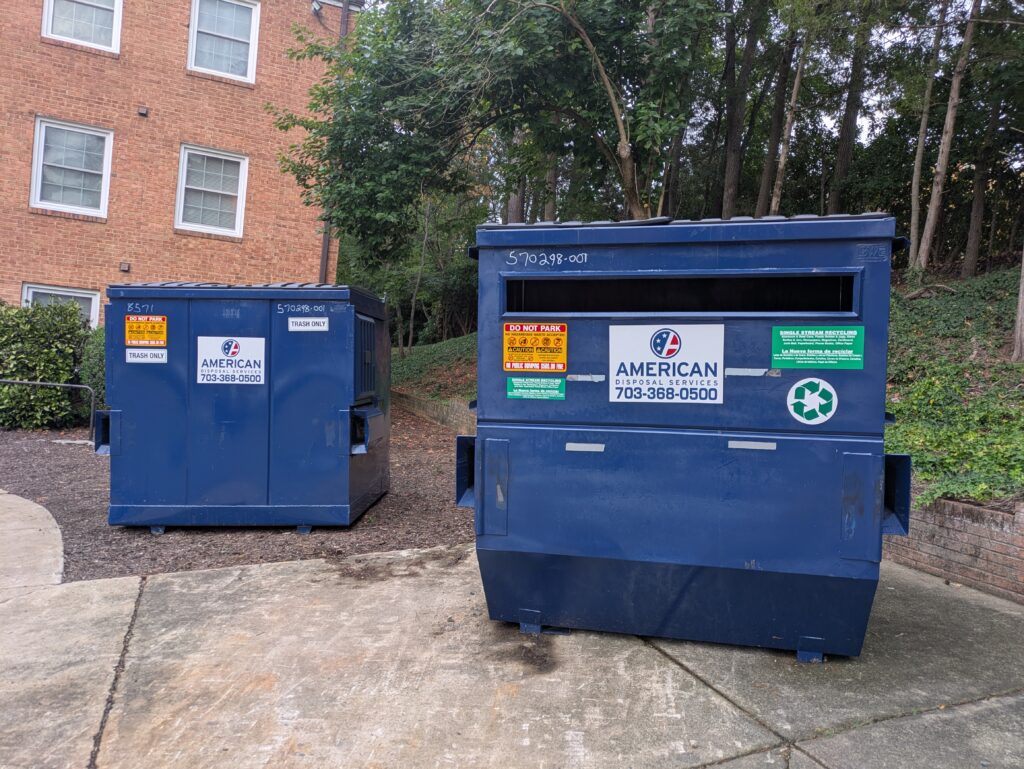
For more information about recycling, students can go to the UMW Office of Sustainability’s website. | Ella Cordle, The Weekly Ringer
by CAROLINE PREUSS
Staff Writer
Every time I walk past a recycling bin on campus, I see a similar pattern: nonrecyclable waste, like plastic bags, stuffed inside with greasy containers tossed on top. While Mary Washington provides the necessary tools for personal sustainability, many students just don’t seem to care enough to use them properly.
The UMW Office of Sustainability’s website explains how to correctly recycle on campus, complete with a helpful information sheet. The recycling guide is easy to find, and UMW has put real thought into making recycling accessible for everyone. Still, too many ignore these simple steps, and instead contaminate the bins with waste.
Marco Veroni, a communication and digital studies major participating in a foreign exchange program at UMW, agrees that students could take sustainability more seriously on campus.
“For example, I don’t see many students recycling,” he said.
Recycling bins are conveniently located around campus and labeled with what items are recyclable. There are also dedicated spots on campus to recycle different materials. Cardboard, paper, glass, certain types of plastics, aluminum and bi-metal cans are all accepted, while food waste, plastic bags, pizza boxes and other contaminated items are not.
Not all plastics are created equal and that’s why not everything can go in the recycling bins. On campus, plastic number one to five and seven are accepted recyclables. According to Eartheasy, these numbers are found inside the tiny recycling triangle on an item and show what type of plastic it’s made of.
Plastics number one to five include common items like water bottles, milk jugs, yogurt cups and clean food containers. They’re easier to recycle and are often turned into new products. Plastic number seven is a mixed category for other plastics that don’t fit into the other groups, like reusable water bottles.
So if you see a number one through five or seven inside the little recycling triangle, it belongs in the recycling bins on campus. The instructions are simple, but following them seems to be the challenge for some students.
“I see people tossing things in the wrong bin pretty often, like pizza boxes with food residue in the paper bin or plastic cups in the trash,” said Darine Djellel, a junior political science and international affairs double major. “I try to be careful personally, but I know a lot of students either don’t know the rules or just don’t bother themselves with it.”
Dirty plastic wrappers and leftover food often end up in the recycling bins, while perfectly recyclable plastics get tossed in the trash. Many students don’t check the information on the packaging or compare it with what’s actually accepted in the bins. It’s easier to throw things in the nearest bin without taking a few extra seconds to make sure it’s the correct place. Next time, take a moment to check the packaging; a quick glance is usually enough to know which bin it belongs in.
Even with the university providing the right infrastructure, sustainability ultimately depends on the choice students make. Simple actions can have a meaningful impact. Check the numbers on plastics, rinse out recyclable containers before tossing them and make sure items end up in the correct bin. It only takes a few seconds to check if it’s recyclable and if you’re unsure, you can always refer to UMW recycling cheat sheet.
In addition, bring your own water bottle or coffee cup to refill your drinks. Almost everyone already has a Stanley Cup or Owala bottle, which are perfect for this purpose. When it comes to food, taking only what you can finish helps reduce waste, and using your own or reusable containers for takeout avoids unnecessary packaging.
“Many people in the dining hall get so much food and then don’t care how much they’re getting. Like, you get a ton, and you eat just a bite, then you need to throw the rest away,” said Veroni.
Small, everyday actions can make a big difference. You don’t have to do everything every time, but even occasionally remembering can make a real impact.
But the challenge of sustainability on campus isn’t just about recycling; the campus environment itself plays a big role. UMW is trying to reduce waste and wants to enhance green practices, but there is still room for improvement. Outside of the University Center, most dining options prioritize convenience, which means disposable plastic utensils, cups, containers and individually wrapped straws are the norm. Disposable plastic bags for takeout or grocery shopping, even books at the bookstore are wrapped in plastic and the air conditioning is constantly running across university buildings.
Small changes could make a big difference.
“They could reduce single-use plastics in cafeterias and make reusable options more accessible,” Djellel said.
Offering paper straws, replacing disposable utensils with wooden cutlery, handing out paper bags, selling books without any wrapping or serving coffee in recyclable paper cups would all help reduce plastic waste and encourage greener habits on campus.
Each choice we make, from items we buy to the way we dispose of them, contributes to a larger environmental impact. Change doesn’t happen on a global scale overnight, but it starts with individual decisions we make on campus every day.