UMW sees spike in student energy drink consumption
4 min read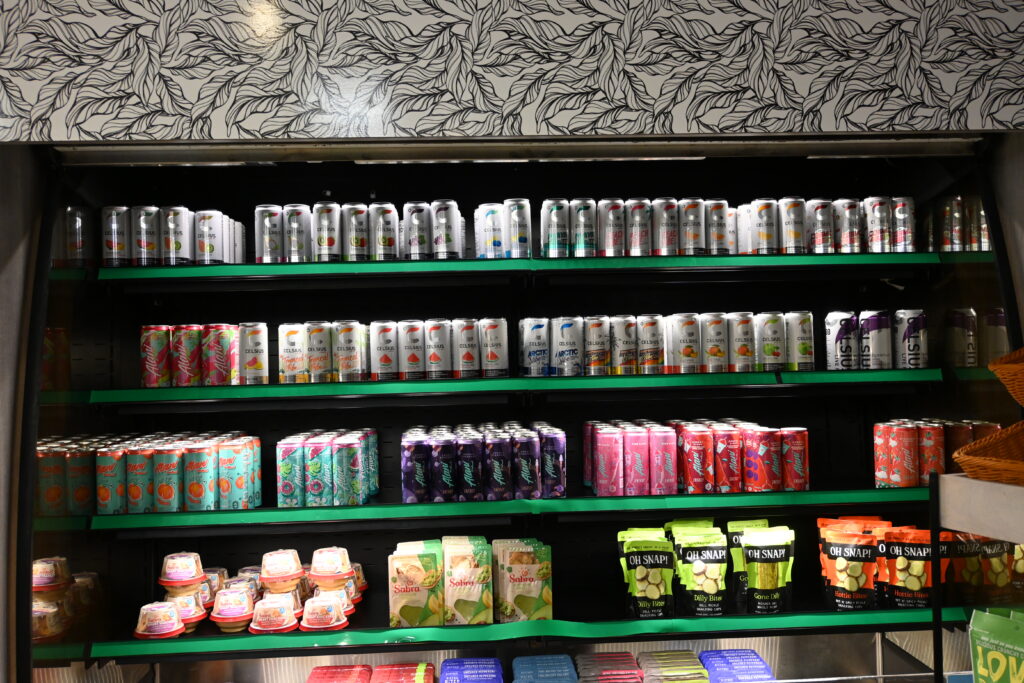
Energy drinks have become increasingly popular among college students, including UMW students, who buy out the drinks from the Eagle’s Nest. | Anna Goodman, The Weekly Ringer
by LILLIAN OSBORN
Staff Writer
Energy drink consumption is on the rise among college students, including the student population at UMW. According to a study by the National Library of Medicine, 75.2% of university students reported drinking energy drinks at least occasionally.
General Manager of UMW Dining Kyle Kouri, who is responsible for stocking food and drink items on campus, said that “UMW mirrors national trends, particularly among college-aged consumers,” in the uptick in energy drink sales.
For some students, including junior cybersecurity major Addy Finke, energy drink consumption increased during college because of the accessibility.
“I wasn’t a big energy drinker until I started going to the Nest regularly, and they turned into such a convenient option,” she said. “I feel like, for a while, since it’s so easy to get energy drinks on campus, it became part of my routine to pick up an energy drink before class without even thinking about it.”
Kouri affirms that students are managing increasingly full schedules and gravitate toward energy drinks to stay alert throughout the busy day.
“Many students are balancing academics, work, extracurriculars and social commitments, often with limited downtime,” he said. “Energy drinks offer a fast, accessible solution that fits into a busy lifestyle.”
While Finke routinely consumes energy drinks during the week, she is not naive to the potentially adverse health effects associated with the caffeinated and sugary beverages.
“I don’t think anyone on the campus is under the delusion that energy drinks are healthy; they are a means to an end,” she said. “Some energy drinks do advertise as a good workout drink though, which I don’t appreciate because of how packed with sugar and caffeine the drinks are.”
Students turn to energy drinks to remain alert throughout the day and keep up with fuller schedules and commitments, especially when packed days inhibit their ability to get enough sleep.
“I think a lot of students rely on caffeine more than getting a healthy amount of sleep because it works better with their schedules and routines,” said Finke.
Kouri, who is in charge of keeping UMW dining locations stocked with items students want, says students are gravitating toward “healthier” options, although the caffeine intake remains high.
“There is a noticeable trend toward choosing options that are marketed as ‘clean,’ low-calorie, or enhanced with vitamins,” he said.
According to Kouri, UMW Dining aims to remain responsive to student preferences while still providing a comprehensive selection of options.
“Rather than removing core items, we’ve adapted by reallocating space and optimizing product placement to meet demand,” said Kouri.
Energy drinks are available in various locations, including the Eagles Nest. Panera Bread has also had to adapt to consumer demands with an increased interest in caffeine from students. However, the pressure also mounts to be diligent and thoughtful about their beverage selections.
“Panera has taken a more deliberate and responsible approach following concerns around its charged lemonades,” said Kouri. “One of the most important changes has been an increased focus on transparency, clearer communication of caffeine content, and offering beverages with more moderate energy levels.”
In November 2024, Panera Bread removed the self-service option for Charged Lemonades, a discontinued, highly caffeinated drink that was involved in a wrongful-death lawsuit. Following these concerns, the UMW location now stores beverages with higher caffeine amounts behind the counter in the kitchen area, ensuring students can make deliberate choices and Panera’s staff can monitor selections while answering customer questions. This decision was made to preserve student choice while emphasizing the intention and confidence behind consumer decisions that align with their own health needs.
“I think after the charged lemonades got banned from Panera, students probably are more conscious of the possible consequences, but I know that won’t be enough to stop most of them from buying and drinking energy drinks,” said Finke.
Many students gravitate towards energy drinks not for a quick pick-me-up, but for the diverse array of flavors they offer.
“I didn’t drink energy drinks until my sophomore year of college. I started drinking them for the taste, and afterward, it was a way to treat myself,” said Sean Price, a junior business administration major. “I think the caffeine is a nice added bonus.”
Overall, the variety of drinks, despite their shared negative health effects, allows students to choose a unique drink of choice.
“There’s so many options that anyone can get into it. There’s a flavor for everyone,” Price said.
Emma Kingkeo contributed to reporting for this article.