New food studies minor introduced as one of UMW’s most interdisciplinary programs
3 min read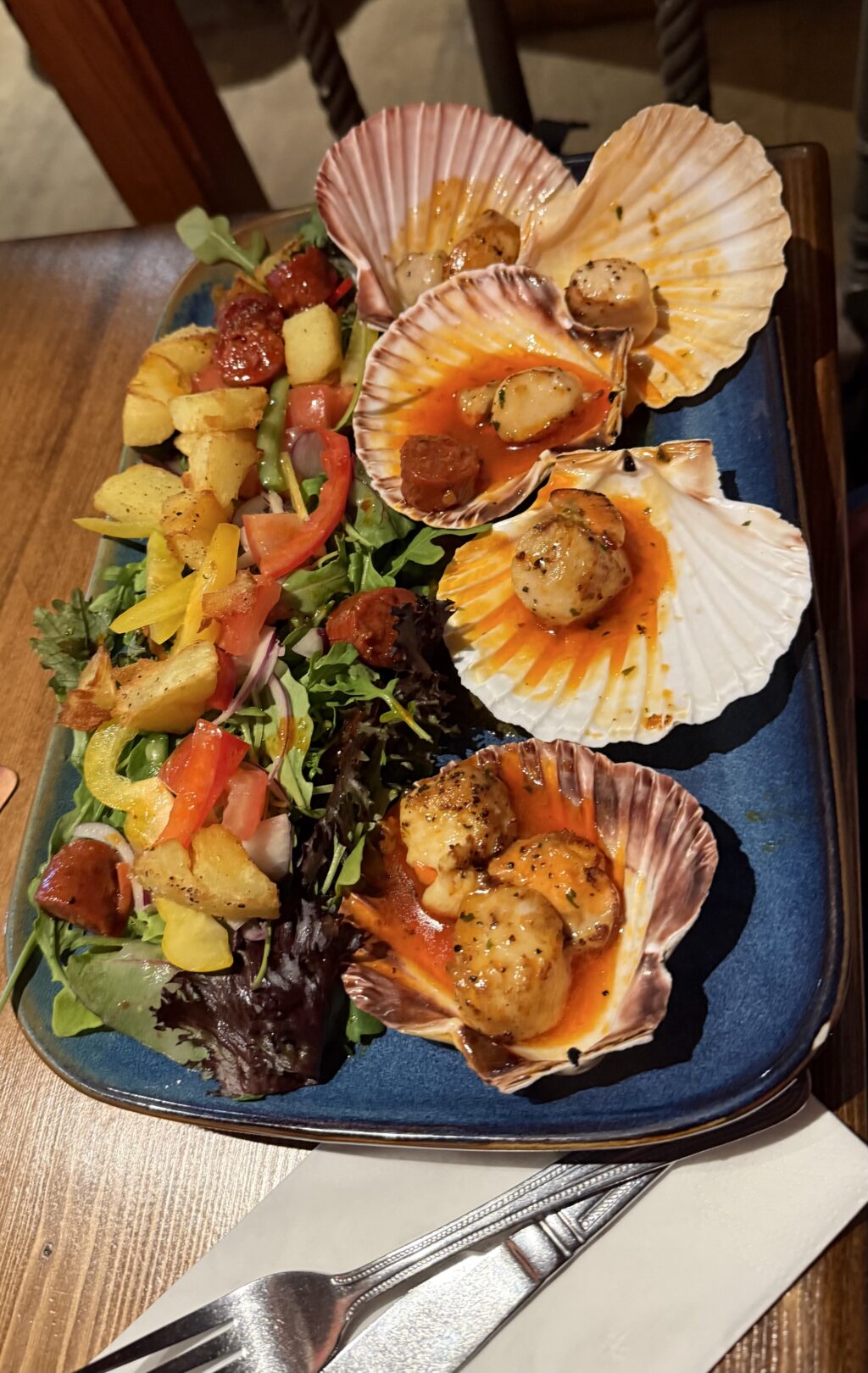
The new food studies minor is designed to complement all areas of studies at UMW. Through the minor program, students analyze food through several different perspectives. | Meaghan Van Dyke, The Weekly Ringer
By ANN KARR
Staff Writer
Food is something that everyone interacts with every day, but there is a lot more to it than just what we eat. Food can connect to culture, business, the environment, social justice and even the way communities come together.
This fall, the University of Mary Washington is giving students a new way to explore those connections with its new Food Studies minor.
“The food studies minor is for anybody who has a passion for food, in every sort of iteration,” Professor of History and American Studies Krystyn Moon said. “It really is to complement what students are doing in their majors and just taking it in a new direction.”
The minor was created from the existing food studies courses across departments. Instead of having these classes spread across different departments, faculty members saw an opportunity to bring them together.
“We noticed that we had already actually quite a number of courses on the books that dealt with food and we thought, why not basically package what we already have,” said Associate Professor of German Marcel Rotter.
The minor took over a year to develop. Moon said part of that process involved figuring out what food-related courses were already being offered and finding ways to connect faculty members who research food but may not necessarily teach about it.
The program eventually brought together faculty from departments including business, biology, sociology, history, American studies, environmental science and modern foreign languages.
Students completing the minor will take one core course, American Foodways, along with electives from different departments. Other classes allow students to look at food through topics such as food waste, business, culture and the environment. One example is Alleviating Food Waste, a class taught by Associate Professor of Business Kashef Majid.
Ashlyn Diederich, a graduate student, took Alleviating Food Waste and said she enjoyed learning about food waste outside of a traditional classroom setting.
“I learned a lot in that class that I had never really thought about. I didn’t realize how much, as a world, we could reduce food waste so much,” Diederich said.
The class included guest speakers, volunteering opportunities and a project where students made food using expired ingredients and shared what they learned at the Fredericksburg Co-op.
“I could see a lot of students using that to bolster their careers,” Diederich said. “I think for somebody in any of our science departments or some of our business students, I think it would be awesome.”
For Rotter, that is part of what makes the minor unique. All types of students can participate in the program while catering to their interests. A biology student could look at nutrition, while a sociology student could study food deserts. A student studying a foreign language could explore food and culture.
“I think you know it can accentuate their major or minor, whatever they have to show that they dug a little bit deeper into one aspect of their major, so that would probably help them also to be more marketable these days,” Rotter said.
Moon also hopes the minor will help students understand food as more than just nutrition. “Food is one of the most important ways we bring meaning to our lives,” she said.
Although the minor is new, faculty members are already thinking about where it could go next. Both Moon and Rotter said they hope Food Studies could eventually become a major at UMW.
“At other schools, not only do they have majors, they have master’s programs and PhDs,” Moon said. “I think that would be an amazing thing if we could move in that direction.”
For now, the new minor gives students another way to look at something that is already a major part of everyday life. Whether students are interested in food waste, business, culture, science, or social justice, Food Studies gives them a chance to explore how all of those things can connect back to food.