Talley Center now offering new 24/7 crisis line for students
4 min read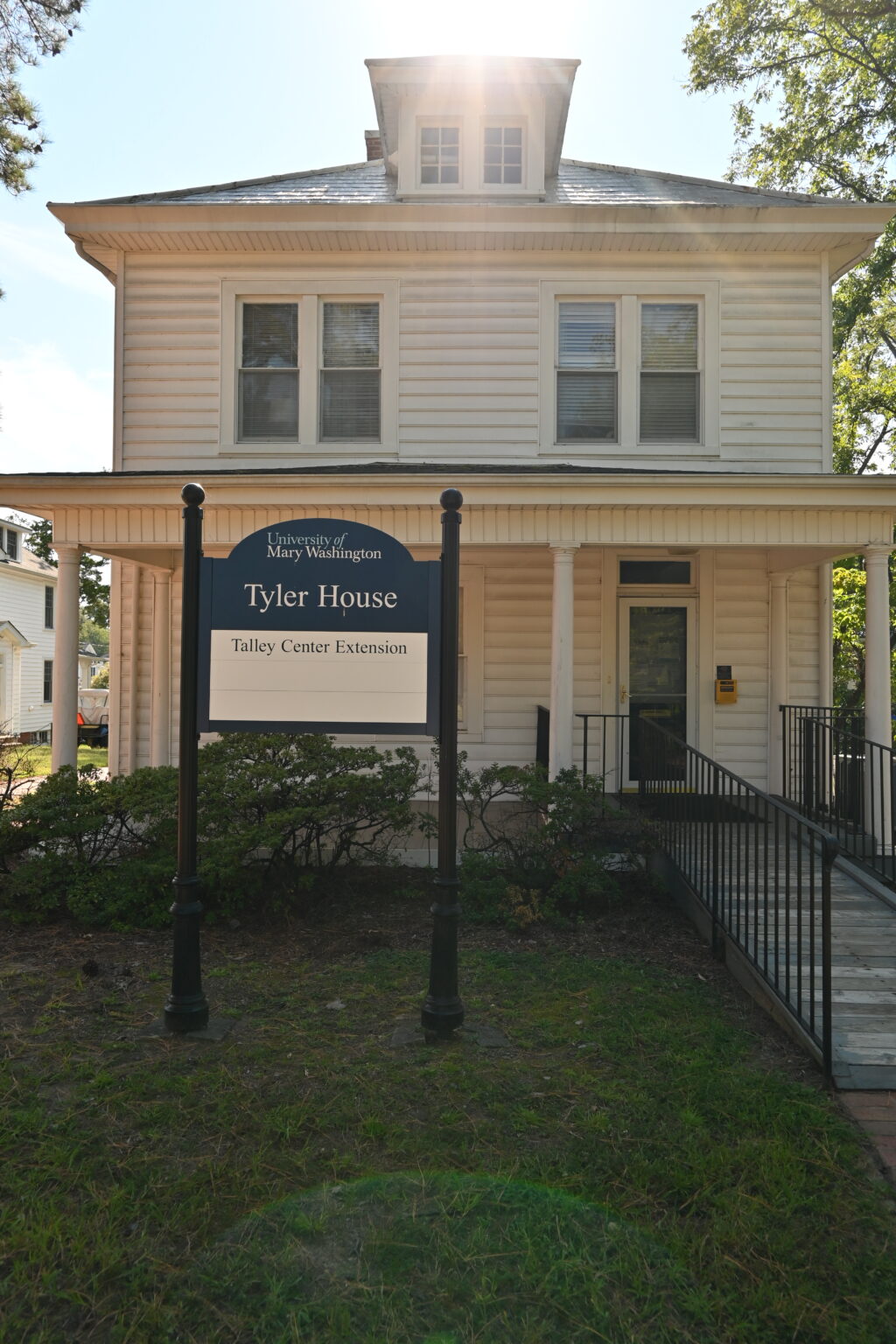
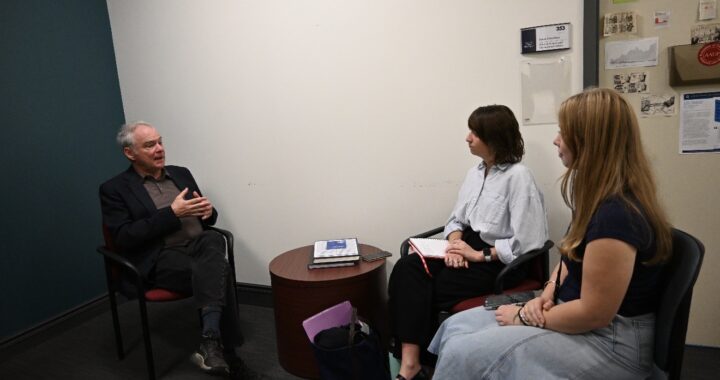
Students now have access to a 24/7 crisis line through the Talley Center as part of a new initiative. | Anna Goodman, The Weekly Ringer
MEREDITH MORRIS
Staff Writer
The University of Mary Washington has joined other Virginia institutions by installing a school-centered crisis line that can be accessed 24 hours a day, 365 days a year.
“When you call in, it lets you know you can get connected to a licensed professional who specializes in crisis care within moments,” Dr. Chad Sims, director of the Talley Center, said.
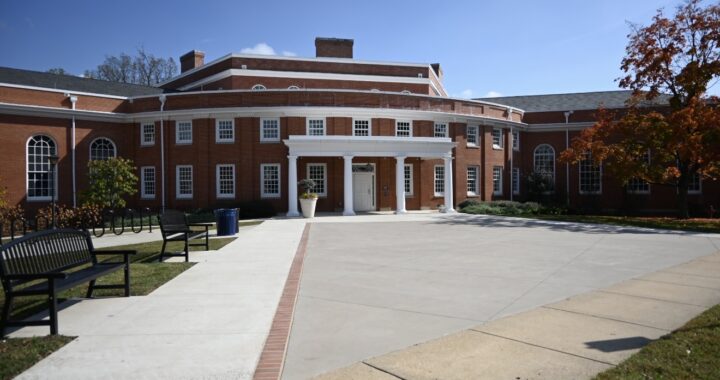
The Talley Center is located in Lee Hall, room 106 and at the Tyler House. The Talley Center offers group or individual therapy sessions, single sessions, education outreach sessions, and crisis intervention sessions during its business hours. Now, with UMW’s partnership with TimelyCare and CrisisNow, 24/7 care is now available from anywhere, extending mental health support and opening accessibility to anyone worried about asking for help in-person.
“As you’re getting connected, it lets you know what the limitations of confidentiality are. They will need to know your name and where you’re located, because in the case of an emergency, they will be able to get to you and get resources to you,” Sims continued.
Similar to 988, the United States countrywide suicide and crisis lifeline, UMW’s crisis line supports students at any time, from anywhere.
UMW’s CrisisNow hotline provides students with comfort and de-escalation tactics in any type of crisis. The hotline’s purpose is to help students find support and help at any time, from anywhere, for any situation.
“Call that number, dial one and it’ll get you directly connected to CrisisNow,” Sims emphasized.
“It can sometimes be very scary, but sometimes it’s not, right? But we are here to support. We’re here to help,” Sims continued.
The Talley Center has always offered support to students in crisis through crisis intervention appointments during its business hours, 8 a.m. to 5 p.m.
If a crisis happened outside business hours, students were referred to RAs and university police, who assessed whether an individual was a danger to themselves or others, which often ended in a non-negotiable hospital stay.
According to the American Psychological Association, 84 % of US adults think the term “mental illness” still carries a stigma.
Students at UMW believe this to be true across campus.
“I feel like there’s a lot of stigma around mental health and some people might not want to seek in-person help, like in-person therapy and all that, because they don’t want to make it feel public,” Jourdan Meckle, a senior environmental science major, said.
Some students expressed their need for support when experiencing a crisis with a friend.
“I feel like a crisis line would be more beneficial because something that I have experienced a lot is people not knowing how to report one of their peers, not feeling comfortable going to an RA or talking to them themselves and kind of feeling they’re betraying their friend,” said Annie Fleck, a senior biomedical science major.
Sims explained that the new crisis hotline can be used under varying circumstances.
“This line just doesn’t have to be for a person who is in crisis. If you’re with a friend, or know of someone who is in crisis, you can always call. Or if you have a question about something you’re not quite sure about, you can use this number,” Sims stated.
UMW students emphasized their want for support after a crisis, which a national crisis line like 988 cannot provide.
“UMW having their own personal line could be beneficial because then after a crisis call, if a student wanted, they could get in contact with a therapist at the school to follow up on any issues they might be having versus like a national line,” Meckle said.
“My hope is that the new crisis line talks to students about their crises rather than sending them directly to the hospital or to be seen by police, which can make people super intimidated, rather than feeling supported,” said Fleck.
UMW students expressed a desire for improved mental health support and outreach across campus, as many said they did not know about most Talley Center resources.
“I think it’d help students across campus if the Talley Center counselors spoke to students more, maybe through different means of outreach and explained more about the Talley Center and what support it offers,” stated sophomore Ellie Huber.
Students also expressed their want for other mental health resources on campus, along with increased communication from the Talley Center following crisis calls and appointments.
“I don’t know if we have this, but when I went to VCU, we had a psychiatrist on campus. I feel like having a psychiatrist on campus at UMW could also help. That way, it’s not just like, ‘Oh, I have a problem.’ Here are my problems and here are like solutions to the problems,” said Meckle.
“I think that’s another thing that has been an issue in the past is when people have like have a crisis, even though they’re kind of reported to the Talley Center and they’re aware of them, they’ll reach out and say, ‘Hey, check in with us if you need to.’ But making sure that they are checked in on several times and keeping an eye on them is more beneficial,” Fleck said.
Information regarding CrisisNow is located through UMW’s Talley Center on students.umw.edu.
The CrisisNow Hotline is accessible through the Talley Center’s main phone number: 540-654-1053.