Students find After Mary Washington courses ineffective
3 min read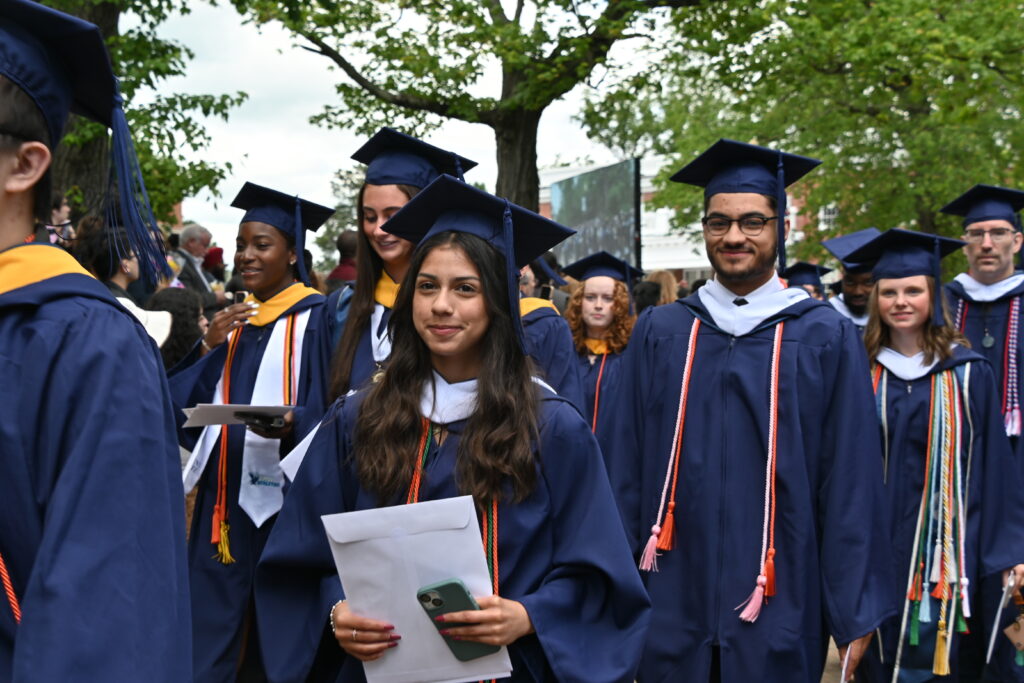
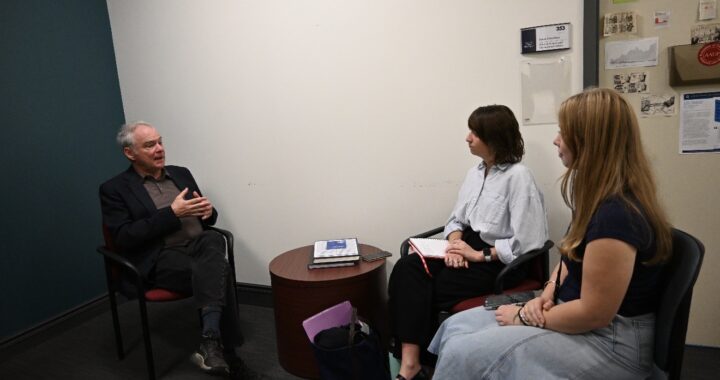
Students need to fulfill the After Mary Washington course requirement in order to graduate, even if it isn’t offered in their major. | Abbey Magnet, The Weekly Ringer
by HARSHA RAVURI
Staff Writer
The After Mary Washington course requirement aims to bridge the gap between the liberal arts education students receive at UMW and the careers they pursue after graduation. However, not every department offers a major-specific AMW course, so some students have expressed concern that the requirement is ineffective as they complete their degree.
The university emphasizes that it helps students transition from college to the workforce by focusing on career readiness and adaptability. Unlike traditional general education courses, this requirement is meant to be practical. It teaches students how to apply their skills beyond the classroom, whether through professional development, internships or networking opportunities.
Luke Busch, a senior computer science and political science double major, expressed mixed feelings about the requirement. He found the content useful but felt that the execution could be improved.
“It didn’t feel like I learned anything,” he said. “An 8-week course would have been a great time commitment instead of a whole semester.”
He also pointed out inconsistencies in workload and expectations among different courses fulfilling the requirement.
Hallie Perry, a senior sociology major, echoed similar sentiments.
“It felt like we just needed to check it off and move on,” she said. “I haven’t really gone back and reflected on the class because it didn’t make much of an impact.”
However, Perry also acknowledged that having a structured requirement for professional development is beneficial for students who might not otherwise engage in career planning on their own.
Emily Crosby, assistant professor in communication and digital studies, supports the requirement’s goal.
“You can enjoy the moment and embrace college life, while also realizing that professional preparation takes time, organization and effort,” she said.
By requiring students to engage with career-focused content, UMW encourages proactive post-graduation planning.
“A big part of college is an eye to the future,” said Crosby. “I want students to be able to connect the dots between everyday coursework and future employment.”
Crosby emphasizes the importance of early professional preparation through internships, workshops and projects relevant to students’ career goals. Her AMW course takes an “Adulting 101” approach, covering financial literacy, job negotiation, cultural etiquette and professionalism.
Employment data from recent years highlights both the successes and challenges faced by UMW graduates.
According to data released by the university, approximately 92% of UMW undergraduates are either employed, attending graduate school participating in a service program or the military within six months of graduation.
The AMW designation was created following a 2018 survey conducted by the General Education Committee that found recent graduates believed personal and professional development should be more meaningfully integrated into the undergraduate experience.
This feedback, along with other employment data, contributed to the creation of the course requirement. The program was designed to help students explore their personal values, interests and strengths to guide their career aspirations.
However, not every major offers a class that fulfills this requirement. This has caused frustration among those who must find alternative ways to complete it that may not directly align with their professional interests. Similarly, some students feel that they have already gained the necessary career skills through their major coursework, making the requirement feel redundant.“Having the requirement can definitely be helpful,” said Perry. “I don’t think it helped me much but I can see how it could be useful. It also could have a lot to do with major/field of study.”