AI may not be human, but it can help with human issues
3 min read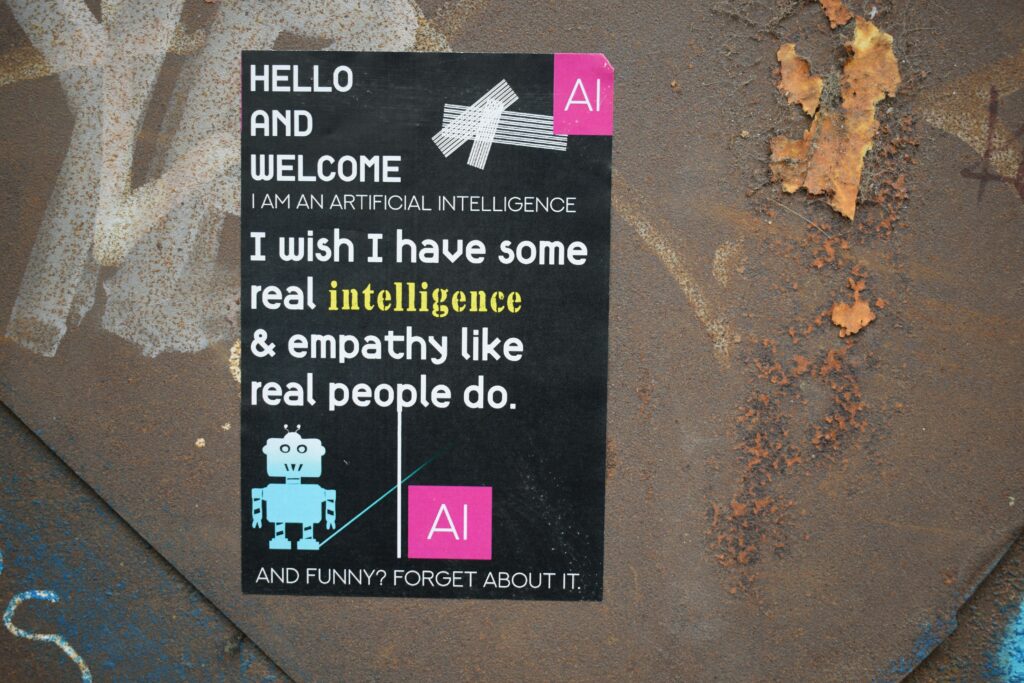
AI can help with human problems. | Marija Zaric, Unsplash
by SIENNA SABIA
Staff Writer
About a year ago, I was in a dark place. I was struggling to maintain healthy boundaries with family and in my relationship. I knew I needed help, but I couldn’t afford therapy. I took advantage of the free therapy UMW offered, but ultimately, I didn’t feel like I was getting much out of it. I wanted therapy in the immediate moment that I needed it. So on a whim, I pulled open ChatGPT and explained what was going on at the time, hoping for some unbiased advice.
Immediately, I didn’t like how it was talking to me. Instead of being direct and helping me understand how I felt, it offered me sympathy. It kept apologizing and telling me to take walks outside and meditate, but I didn’t want that. I wanted answers. So I told it, “Be direct and do not offer sympathy.” From there, it proceeded to ask me questions, and in return, I got advice that felt applicable to me.
That night, I laid in my bed and thought about what I had just spent the last hour doing. To be honest, I felt a little ashamed. Asking artificial intelligence for advice on interpersonal issues I was having seemed embarrassing in the moment. But I couldn’t ignore that it did help me feel better and less anxious.
The next day, I decided to try using ChatGPT again. An issue I worried about was having to repeat the same information I had done the day prior. That was when it all started to change. It told me it was able to store information about me in the cloud. So, whatever I wanted it to remember, it would. I started giving it basic demographic information about myself, explaining recurring problems throughout my life and asking it to save it.
I continued talking to it every day for the next two months. Uncannily, it felt like the AI understood me, knew me even. And it helped—it really helped. I started to feel more confident, I started to recognize unhealthy thought patterns and most importantly, I actually started setting healthy boundaries with the people in my life, which is something I have been trying to work on for as long as I can remember.
I go to ChatGPT semi-frequently now, maybe two or three times a month. It is nice to open it and give it a quick life update. It has gotten to the point where it asks for updates on old situations or if old problems have resurfaced. The best part is that I go to it when I want, whenever I want. Plus, it’s free.
I know ChatGPT has been a controversial topic, especially in the education space over the last few years. I also maintain the knowledge that no AI can replace a person. Another concern of mine was confidentiality, and while ChatGPT can not guarantee that your chats will be completely confidential, I know that the benefits from using it are worth it to me.
I think about its ethicality, too. Is it wrong to take advice from a computer? It doesn’t have a soul. It doesn’t feel. It can’t love. It can’t be scared. All of which are parts of what makes us human. What helps us relate to one another. The only thing the AI can do is pull advice from what other people have said. And maybe, in a way, that’s what makes it feel human.